
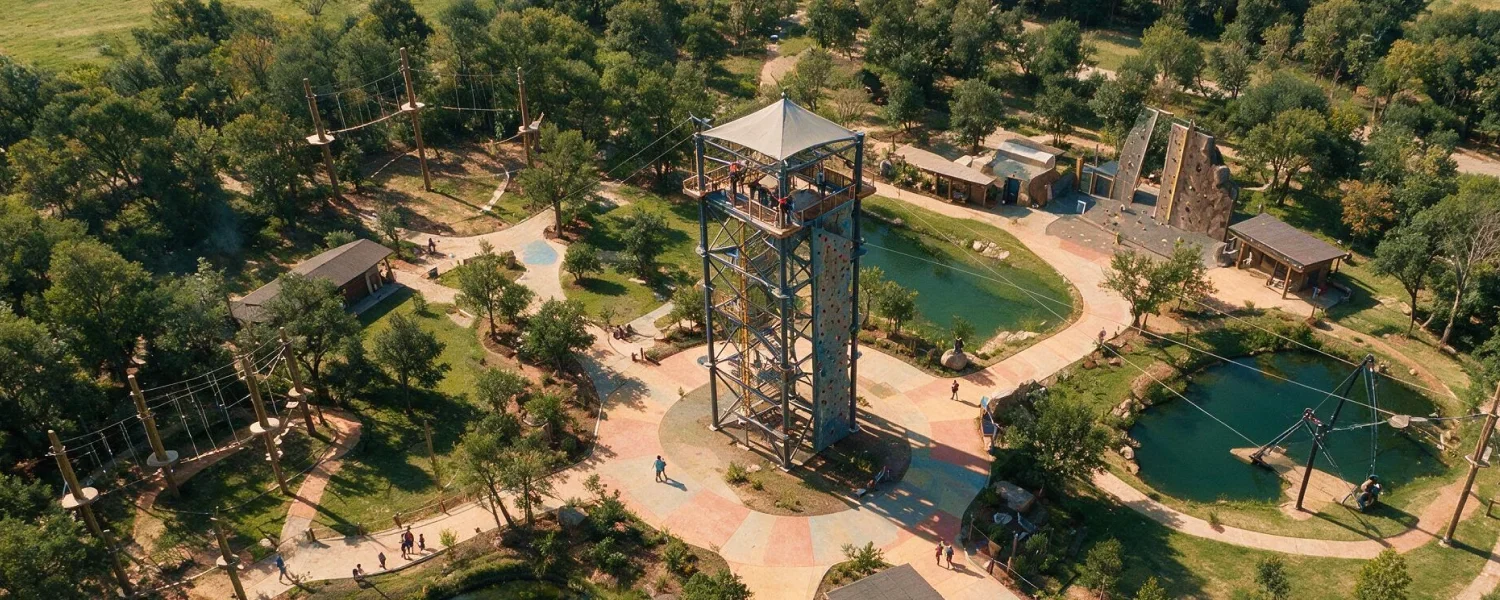
A space by space guide to choosing attractions, from a 2,000 sq ft mall unit to a 2 acre outdoor adventure park, with indicative budgets.
The first question in most enquiries is not about a ride. It is: “I have this much space, what should I put in it?” The answer depends on your floor area, ceiling or open sky, and who your guests are. This guide matches typical space bands from 2,000 to 1,00,000 sq ft with attraction mixes that work in Indian projects.
Three questions before you look at attractions
- Indoor or outdoor? Indoor space is limited by ceiling height and fire rules. Outdoor space is limited by weather, shade and neighbours.
- Who will pay? Families with young children, teenagers, adults and corporates, schools, or hotel guests. Each group wants different things.
- How will you sell? Pay per attraction, time based entry or packages. This decides whether you need many short attractions or a few long ones.
Quick match: space band to attraction mix
| Space | Typical setting | Attractions that fit well | Indicative budget |
|---|---|---|---|
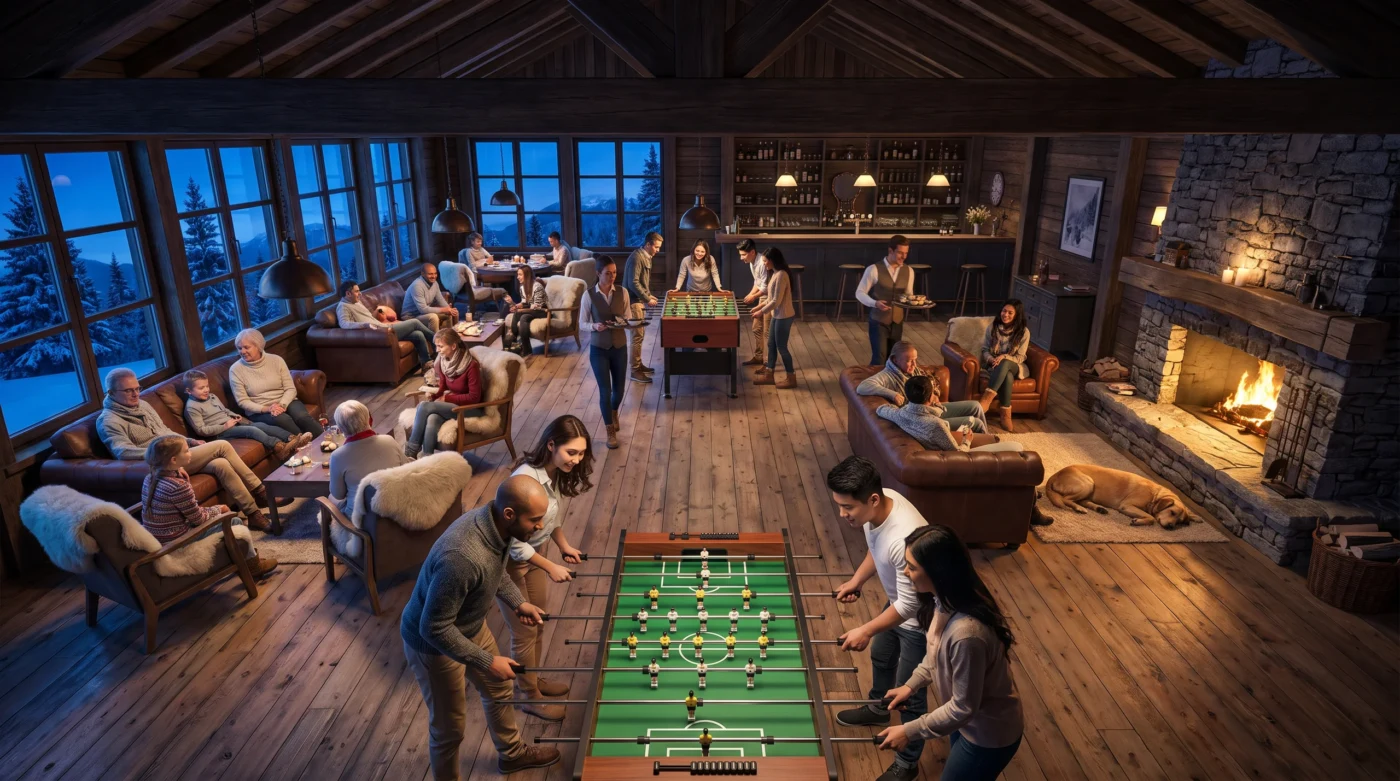
| 2,000 to 5,000 sq ft | Mall unit, hotel basement, club | One walk-through attraction, VR, arcade and table games | Rs 25 lakh to Rs 1 crore |
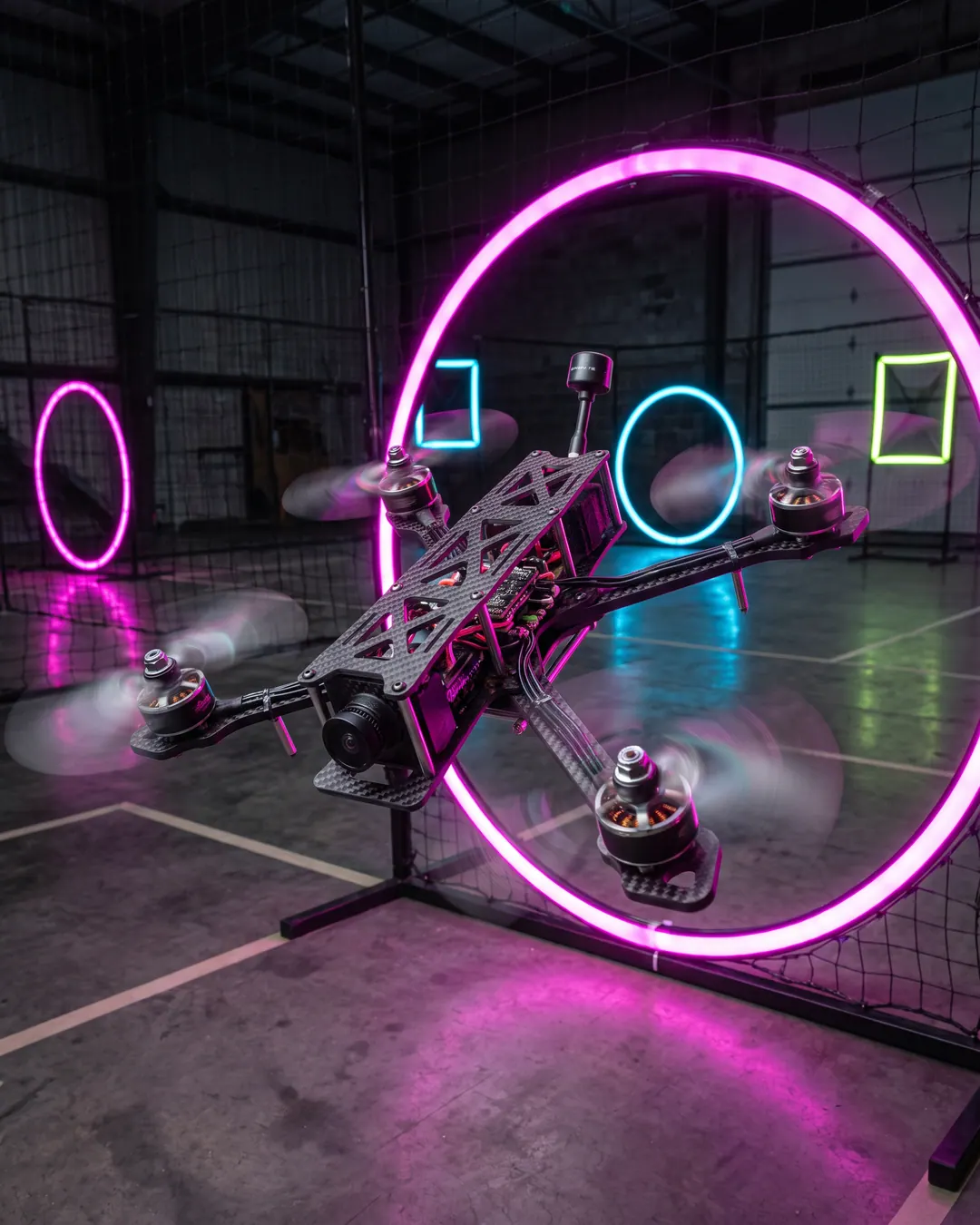
| 5,000 to 15,000 sq ft | Mall floor, standalone FEC | Mirror maze, upside down house, climbing wall, trampolines, drone arena | Rs 75 lakh to Rs 3 crore |
| 15,000 to 40,000 sq ft | Large FEC, resort activity zone | Indoor rope course, museum style attraction, party rooms, multiple games | Rs 2 crore to Rs 7 crore |
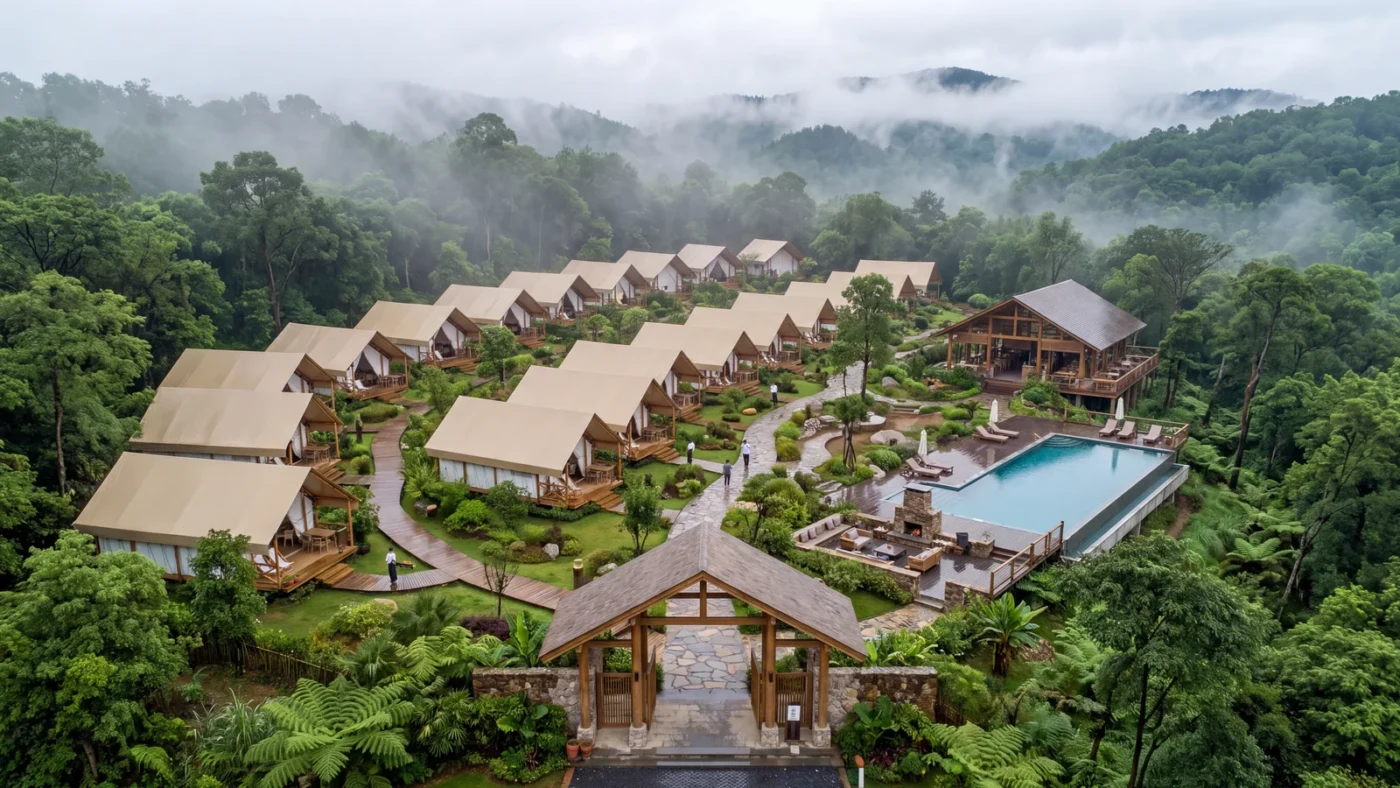
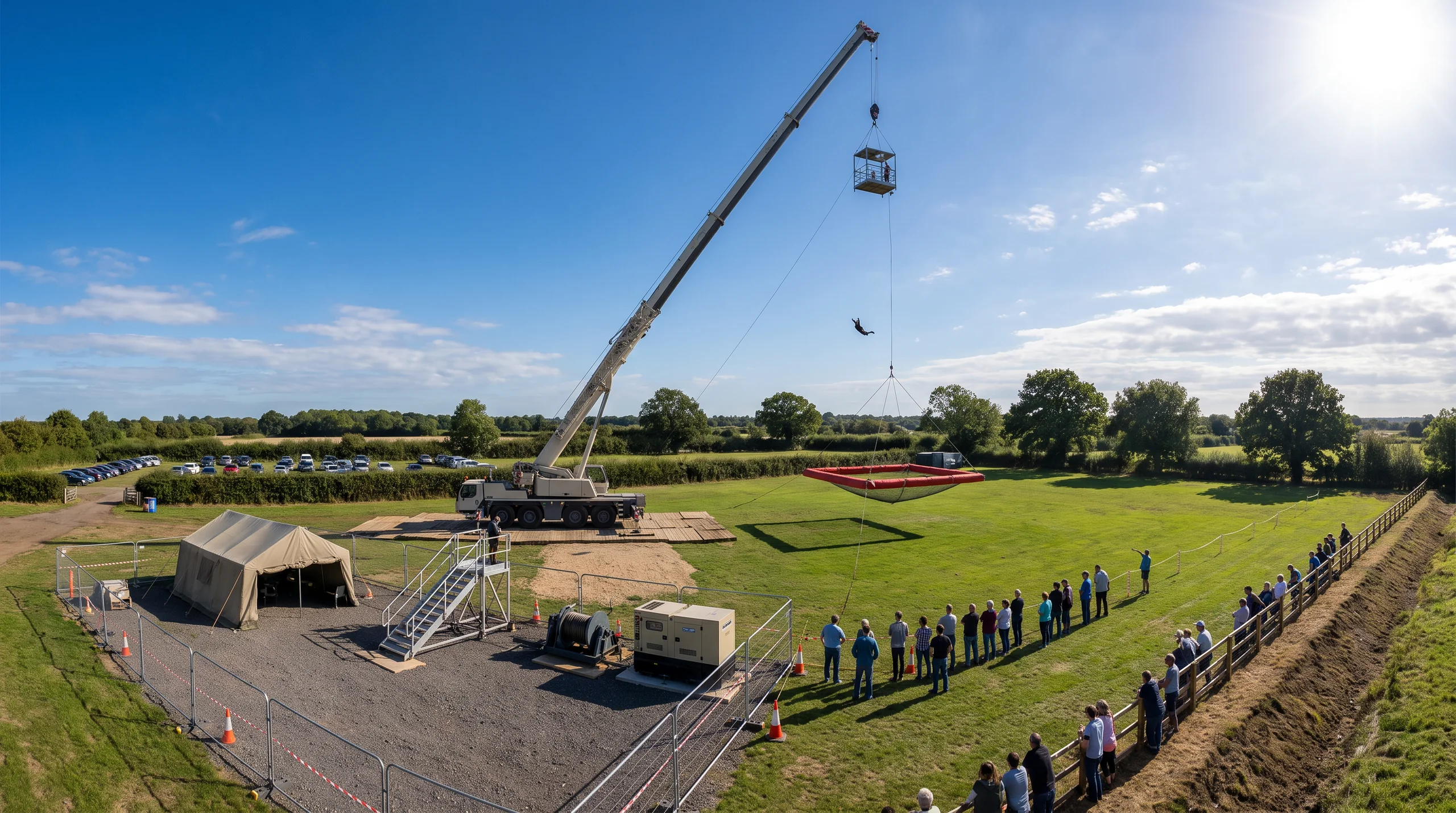
| 40,000 to 1,00,000 sq ft | Outdoor park, resort, campus | High rope course, ziplines, swing rides, inflatable courses, ATV, water play | Rs 3 crore to Rs 15 crore |
Treat the budgets as a band, not a target. A 10,000 sq ft centre with simple attractions can cost less than a 5,000 sq ft centre with a premium themed walk-through. The mix and the finish decide the number as much as the area does.
2,000 to 5,000 sq ft: small but profitable
Small spaces need attractions with high revenue per square foot and low staffing. Good choices include a drone racing arena, VR simulators, axe throwing lanes, a meme or selfie gallery, and premium table games for clubs. Keep the layout simple, with one clear entrance and a short queue line.
5,000 to 15,000 sq ft: the classic FEC
This is the most common band for mall zones and city FECs. Mix one visible anchor with active play and group games. A mirror maze and an upside down house draw walk-ins; trampolines, a climbing wall and a tread wall keep kids busy; party rooms keep weekends full. With a clear height of 6 metres or more, add a compact ropes element above the play area.
15,000 to 40,000 sq ft: destination indoor centre
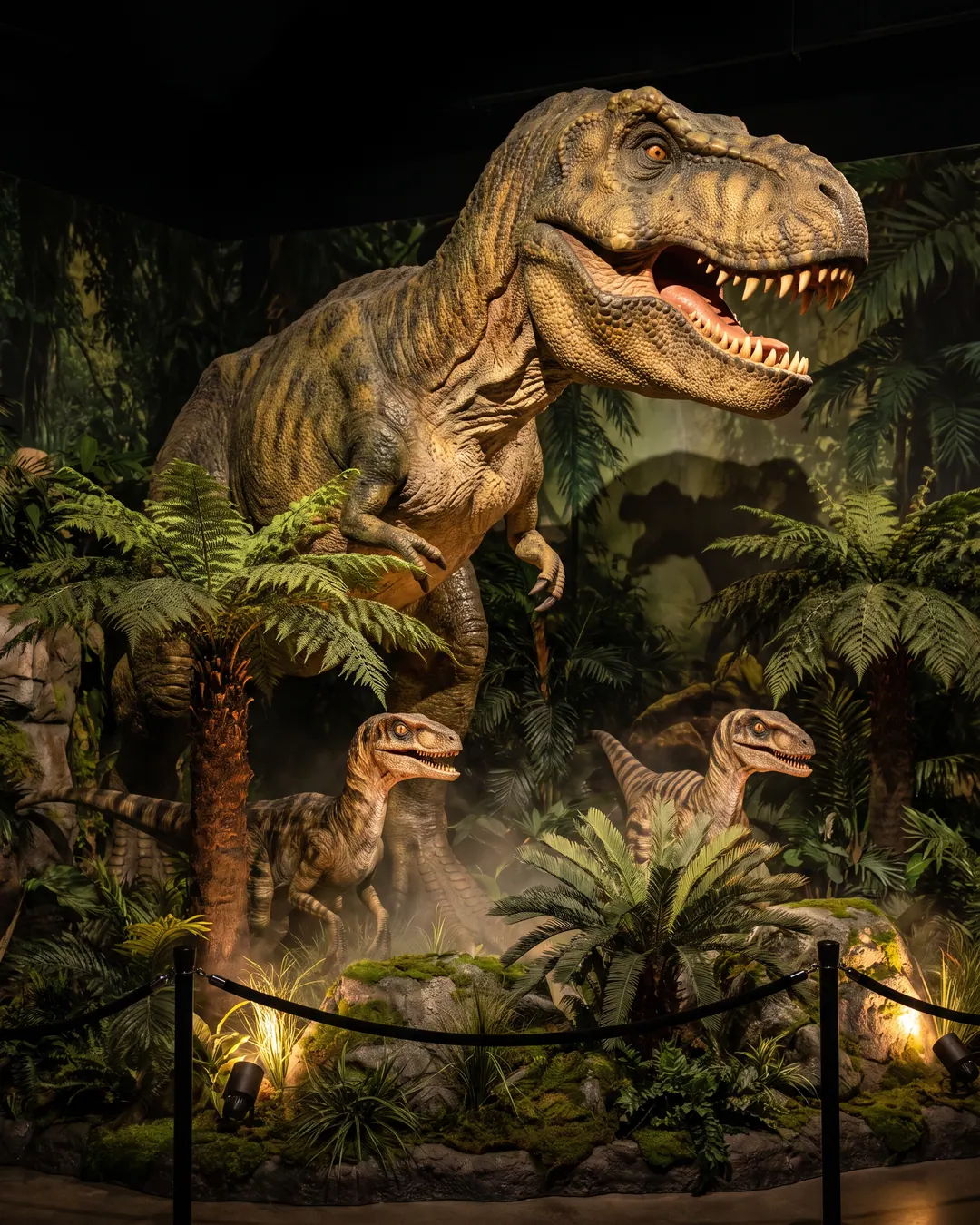
At this size you can build a centre people drive across the city for. Combine an indoor rope course with a themed attraction such as a dinosaur museum with animatronics, a haunted house or an escape room. Add a cafe with views of the play areas and two or three party rooms. Plan circulation carefully so queues for one attraction do not block another.
40,000 to 1,00,000 sq ft: outdoor adventure park
One acre is about 43,560 sq ft, so this band covers roughly 1 to 2.3 acres. Here you can create a full adventure park:
- A high rope course or an adventure tower as the vertical anchor.
- One or two ziplines across the site.
- A large inflatable course such as a giant inflatable obstacle course for groups and events.
- Team games, archery, an ATV track and a lawn for corporate events.
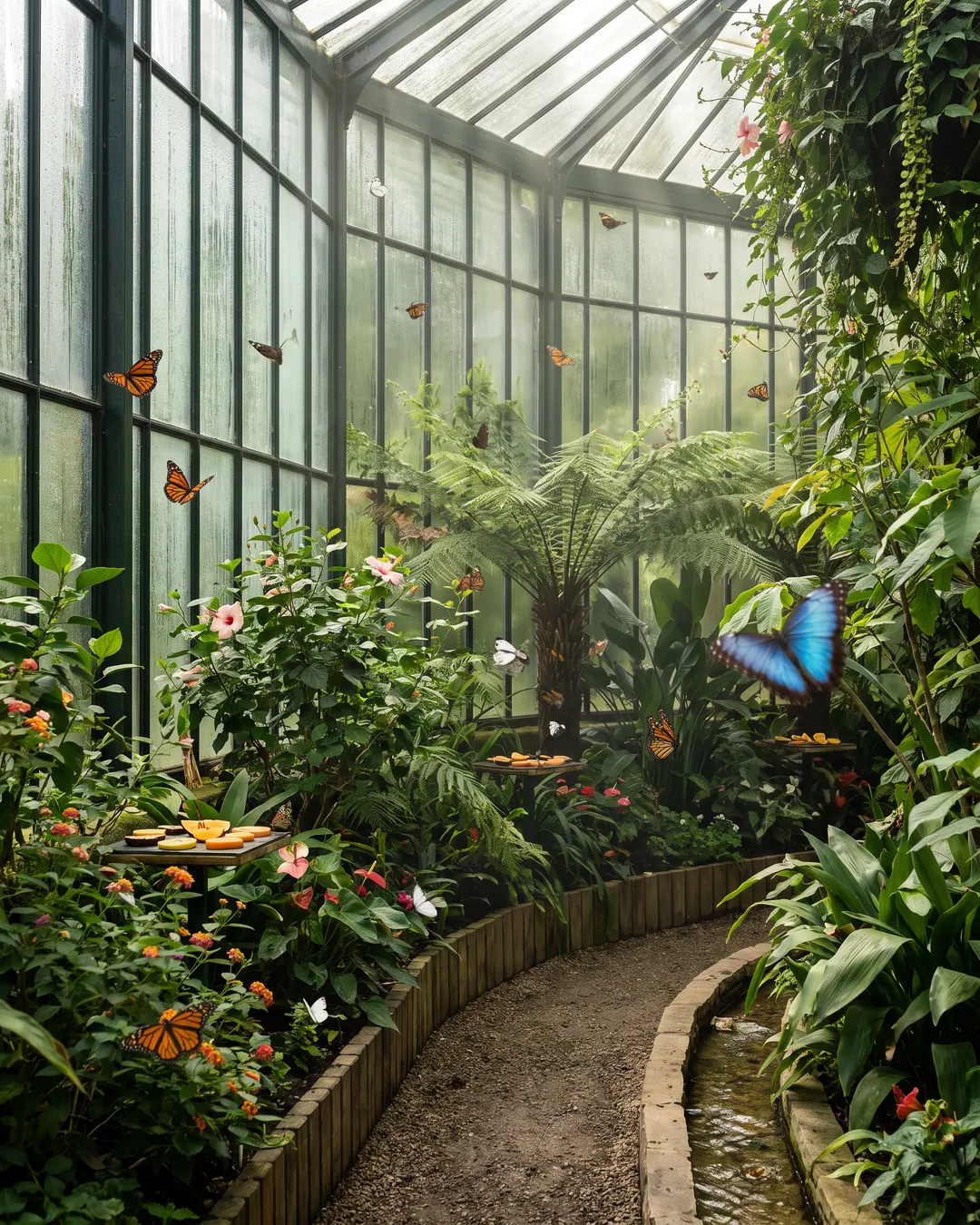
- A nature attraction such as a butterfly park for families and schools.
Leave at least 30 to 40 percent of the land for paths, shade, parking, food and safety zones. Parks that pack attractions edge to edge feel cramped and handle crowds badly.
Indoor versus outdoor checklist
The same floor area behaves very differently indoors and outdoors. Use this quick checklist when you compare sites:
- Indoor: clear height, column spacing, floor load, fire exits, sprinkler and duct positions, air conditioning capacity, and lift or door sizes for delivery.
- Outdoor: soil and slope, drainage in heavy rain, shade, sun direction for afternoon play, wind exposure for tall structures, and distance from neighbours for noise.
- Both: parking, toilets, a first aid room, a safe waiting area for parents, and space for a cafe that overlooks the play.
How to test a layout before you buy
Ask for a scaled layout drawing with every attraction shown at its true footprint, including safety zones and queue lines. Walk the space with the drawing marked out on the floor with tape or chalk. Many owners discover that an attraction needs more run out space than expected, or that a queue would block an exit. Fixing this on paper costs nothing; fixing it after delivery costs a lot.
Rules of thumb that save money
- Go vertical when land is costly. Towers, rope courses and climbing walls stack activity on a small footprint.
- Match capacity to footfall. Add up guests per hour across attractions and compare it with your expected peak crowd.
- Mix ages. Every group should include something for children, teens and adults.
- Keep space for phase two. Reserve a corner for the next attraction, with power and foundations planned.
- Measure before you shortlist. Clear height, columns, fire exits and access doors decide what can go in.
Thinking about capacity, not just space
A layout that fits on paper must also handle your crowd. Add up how many guests each attraction can take per hour, then compare the total with your expected peak hour. If a mall zone expects 150 guests in its busiest hour but the attractions only handle 90, queues will form and reviews will suffer. If capacity is far above demand, you have spent money on space that sits idle. The right answer is usually a mix of a few high capacity attractions, such as walk-throughs, trampolines and inflatable courses, and a few premium, lower capacity ones that carry a higher ticket.
How JumpKing helps
Send a floor plan or site plan and JumpKing plans, designs and delivers the attraction mix for it, with one point of contact from brief to opening. You get a layout, an attraction list and indicative costs to compare options. Warranties are as per the manufacturer’s terms, confirmed in your quotation.
You can browse individual attractions, rides and games with indicative prices in the JumpKing shop.
Questions buyers ask
What can I put in 2,000 sq ft?
A focused concept such as a VR zone, drone arena, axe throwing lanes or a selfie gallery. Pick one strong idea rather than many small ones.
What is the best attraction for a small resort?
A zipline, a climbing wall and a set of team games usually give the widest appeal for the least land, with water activities if you have a pool or lake.
Do I need a high ceiling for an indoor adventure zone?
Not for every attraction. Walk-throughs, VR and games work at 3.5 to 4.5 metres. Rope courses and climbing walls usually need 6 to 8 metres or more.
How much land do I need for an outdoor adventure park?
A good starter park fits on 1 to 2 acres. Destination parks with water zones and stays use 5 acres or more.
Not sure what fits? Share your site and budget with a plan or photos, and get an attraction mix sized to your space.