
Table games, arcade style games and climbing walls can turn an empty room into a busy space. Here is what fits, how much room you need and what it costs.
An indoor game zone keeps students, members and customers on your premises for longer, and it works in every season. Whether you run a school, a sports club, a housing society clubhouse or a cafe, the right games can turn an empty room into a busy, paying space. This guide covers what to put in an indoor game zone, how much space you need and how to plan it.
Why indoor game zones work
Indian weather is hard on outdoor play. Summers are hot, monsoons are long and winters in the north are smoggy. An indoor zone gives people a reason to come and stay whatever the weather. For a cafe it means longer visits and bigger bills. For a club it means happier members and renewals. For a school it means a safe place for activity periods, clubs and events.
Three types of indoor game zone
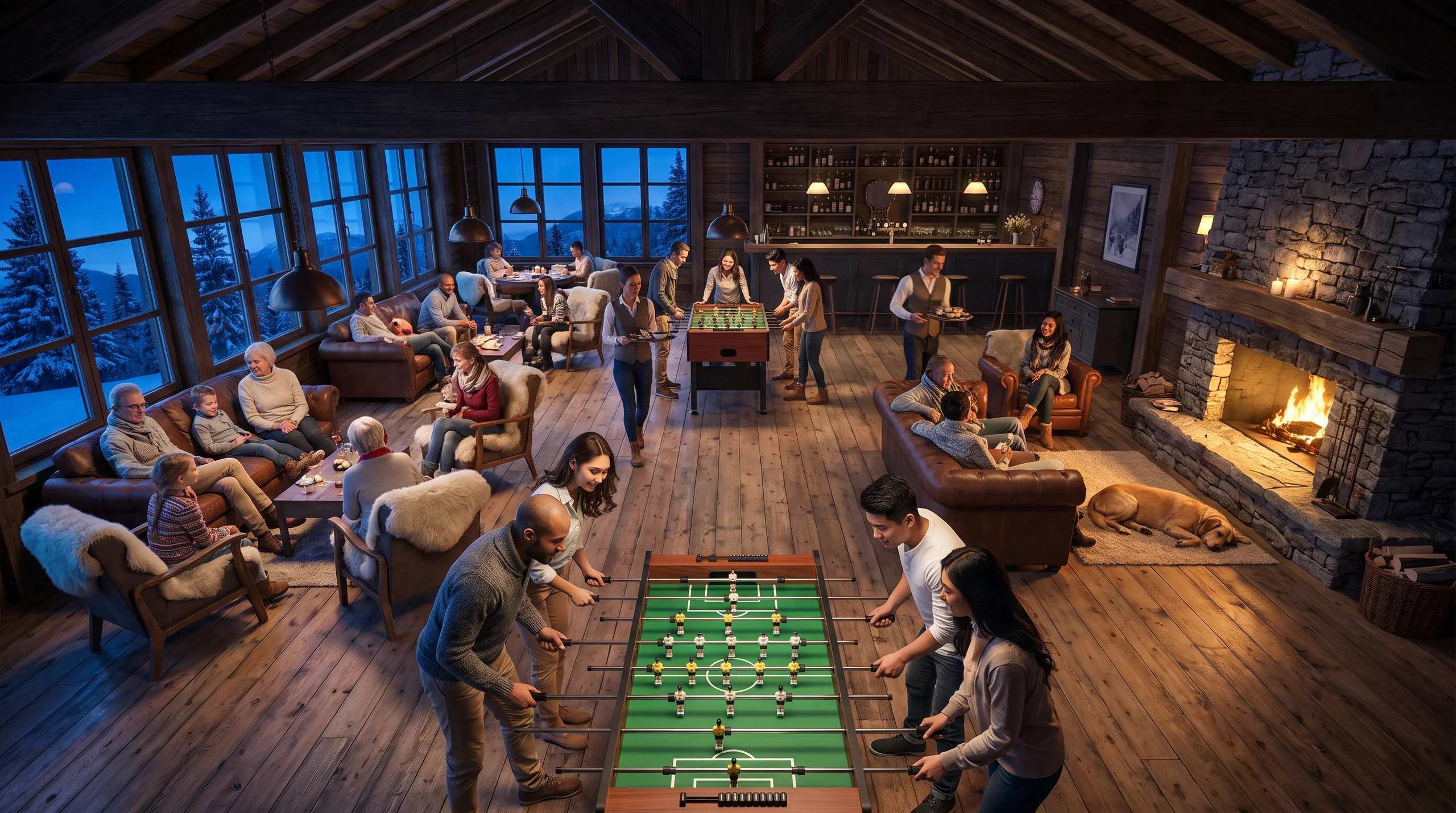
Table games corner
The simplest and most flexible option. A table tennis table, a foosball table and a pool table cover most tastes. Add an electronic dart board on the wall and carrom or chess tables for quieter players. These games need little supervision and almost no running cost.
Arcade style zone
For cafes, malls and family entertainment spaces, arcade style games earn per play. A coin operated air hockey table with a digital scorer is a reliable starting point. Basketball shooting machines, a mechanical rodeo bull and simple redemption games can follow. Card or coin systems make it easy to track revenue per game.
Active zone with climbing
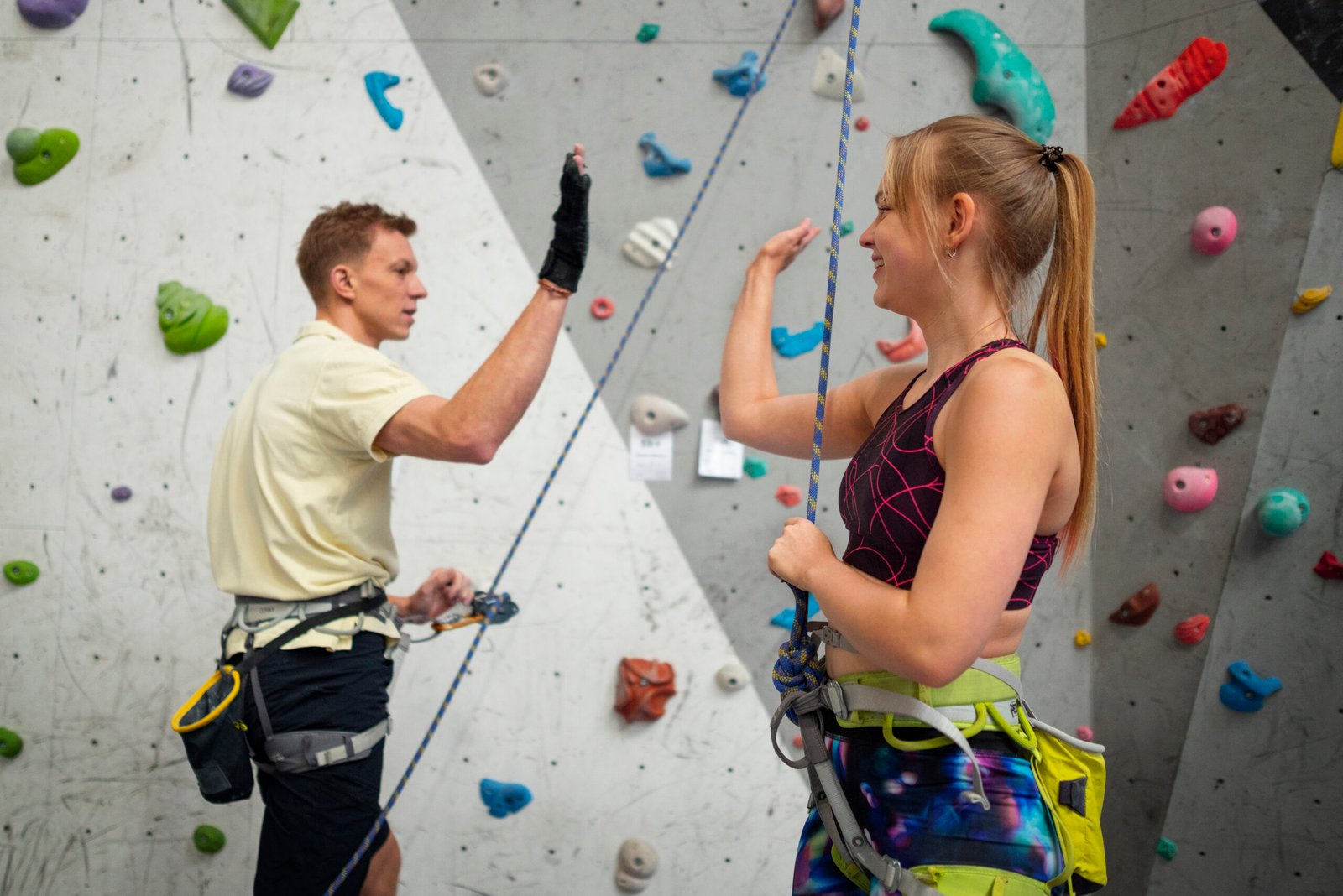
Schools and clubs that want physical activity can add a climbing wall or a compact rotating tread wall, which gives a climbing workout in a small footprint. These need a trained supervisor and proper flooring, but they add real value to a sports or activity programme.
How much space do you need?
Each game needs its own footprint plus clear space for players to move. A common mistake is to fit tables too close together, which leads to cue sticks hitting walls and players bumping into each other.
| Zone size | What usually fits | Indicative budget |
|---|---|---|
| 300 to 500 sq ft | Foosball, dart board, air hockey, two board game tables | Rs 1.5 lakh to Rs 4 lakh |
| 800 to 1,500 sq ft | Table tennis, pool table, foosball, air hockey, darts, seating | Rs 4 lakh to Rs 12 lakh |
| 2,000 to 4,000 sq ft | All table games, arcade games, a climbing wall or tread wall, party area | Rs 15 lakh to Rs 60 lakh |
| 5,000 sq ft and above | Full family entertainment centre with themed attractions | Rs 1 crore upwards |
Rough clear space per game
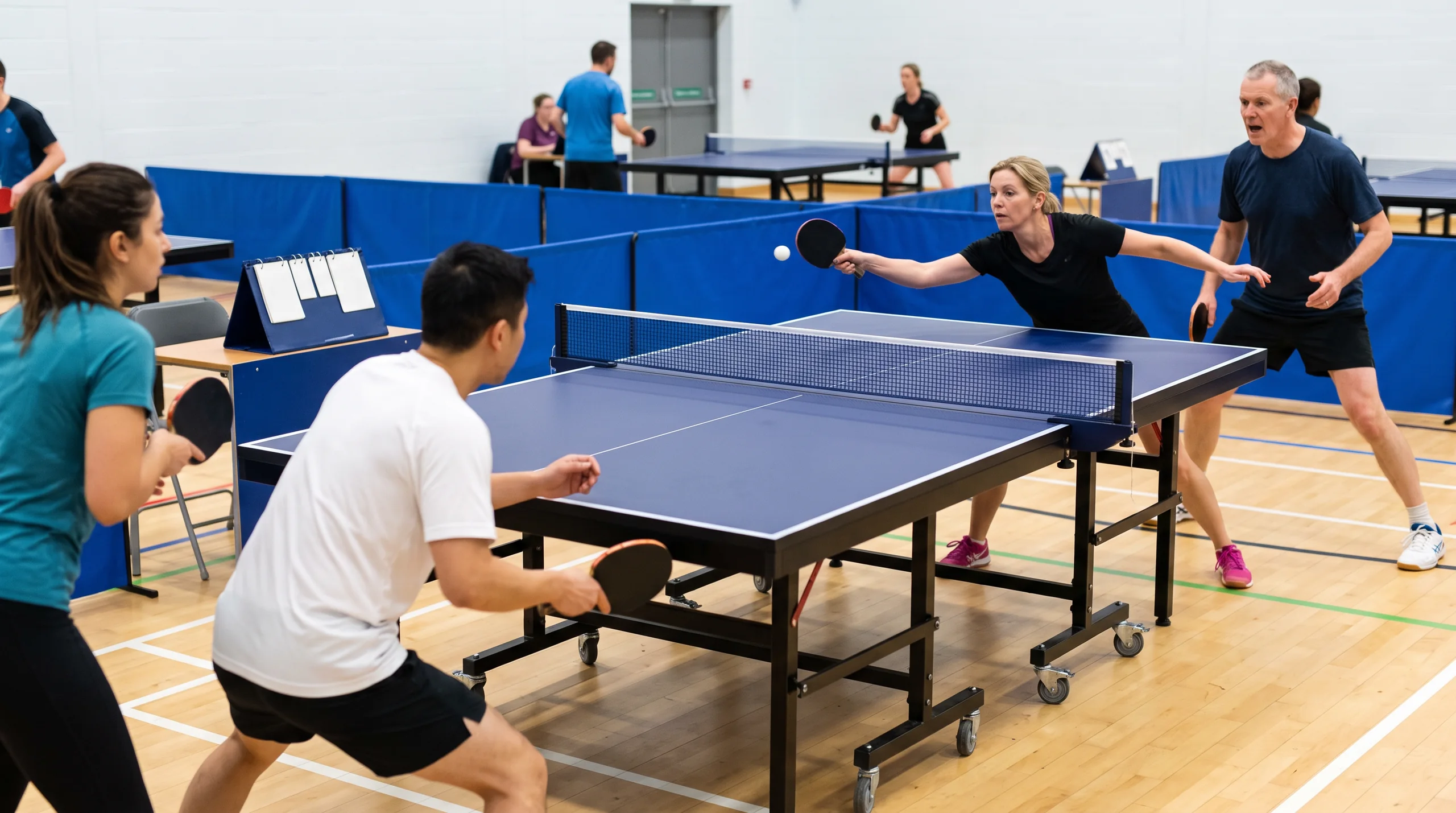
- Table tennis: about 18 x 10 ft for casual play, more for coaching.
- Pool table: about 16 x 13 ft for a standard table, so cues clear the walls.
- Foosball: about 9 x 6 ft.
- Air hockey: about 12 x 8 ft.
- Dart board: a throw line about 8 ft from the board, plus a side walkway.
Planning tips for schools
Schools should think about durability, supervision and scheduling. Choose tables built for heavy use, with rounded corners and locking wheels. Place games where a teacher can see the whole room. Use the zone for activity periods, house competitions and after school clubs, so it is used all day. A climbing wall should only run with a trained adult present, and the landing area must stay clear.
Planning tips for clubs and societies
Clubhouses work best when the game zone sits next to a lounge or cafe, so families can watch and order snacks. Weekly table tennis or pool leagues keep members coming back. If your club has a large hall, consider a flexible layout with folding tables, so the space can host parties and events too.
Planning tips for cafes
For cafes, the games are there to increase time spent and repeat visits, not to replace food sales. Two or three games near seating are often enough. Coin operated air hockey and a dart board earn small amounts that add up, while a pool table or foosball can be offered free to diners or charged by the hour.
Practical details owners forget
- Flooring: anti skid tiles or rubber flooring under active games.
- Lighting: even, glare free lights, especially above pool and table tennis tables.
- Power points for arcade games and scorers, placed so cables do not cross walkways.
- Spares: balls, cue tips, foosball rods and paddles, kept on site.
- Noise: soft panels or curtains if the zone shares a wall with classrooms or rooms.
Making the zone earn its keep
A game zone pays back best when it is used every day, not only on weekends. Run small events to bring people in: a weekly table tennis ladder for members, a foosball cup for college students, a darts night at a cafe, or an inter house tournament at a school. Events create a reason to return, and they fill the zone at quiet times.
Track which games are used most. After a few months you will see clear favourites. Add a second unit of a popular game before buying something new, because queues for a favourite game frustrate guests more than a smaller choice does.
Keep it fresh. Rotate one or two games each year, repaint walls, update lighting and replace worn balls and paddles promptly. A tidy, well lit zone with working equipment feels premium, while a single broken table can make the whole space look neglected. Put one staff member in charge of a short daily check, so small problems are fixed before guests notice them.
Finally, think about birthday parties and private bookings. A game zone with a small party area can be hired out for children’s birthdays, office celebrations and club functions, which often brings in more revenue than daily play.
How JumpKing helps
JumpKing plans, designs and delivers indoor game zones, with one point of contact from brief to opening. We suggest a layout for your room size, shortlist games for your audience, arrange delivery and installation, and show your staff how to look after them. You handle interiors, electrical work and any permits. Warranties are as per the manufacturer’s terms, confirmed in your quotation. See the full range of table and arcade games in our shop.
Questions buyers ask
What is the best first game for a small cafe?
Foosball or a dart board. Both take little space, need no staff and appeal to groups of friends.
Are climbing walls safe for schools?
Yes, when built to a recognised standard such as EN 12572, installed correctly and always run by a trained supervisor with proper landing protection.
Can I earn money from an indoor game zone?
Yes. Cafes and malls often use coin operated games or hourly charges, while clubs bundle games into membership and run paid leagues.
How long does it take to set up?
A table games corner can be ready within a few weeks of order. A larger zone with climbing and arcade games takes longer, depending on interiors and delivery times.
Have a room you want to fill? Share your site and budget and we will suggest a layout and game list.