
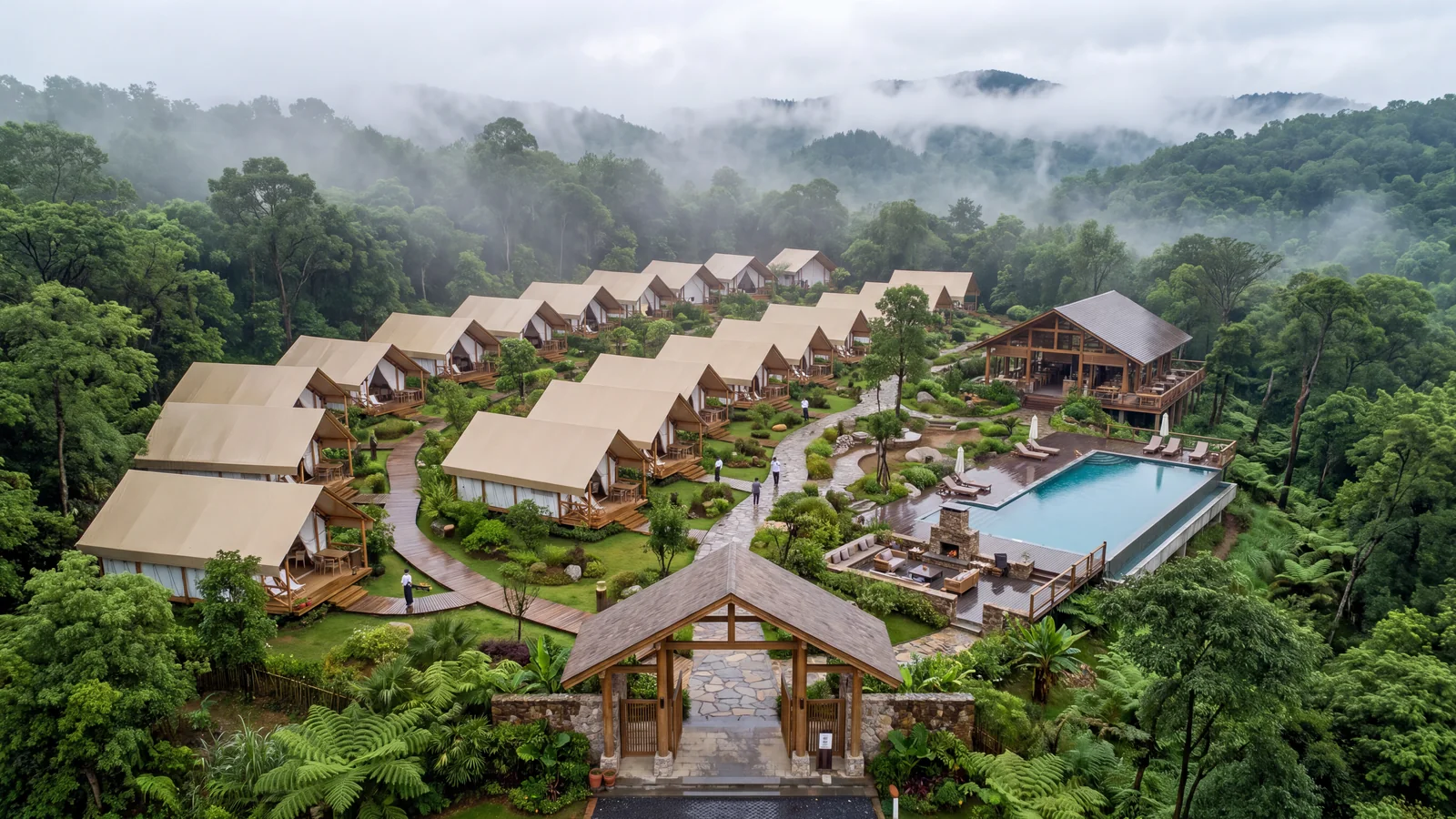
Safari tents, domes and pods can earn premium rates on land that would never support a hotel. Here is how to plan a glamping site in India.
Glamping, or glamorous camping, has become one of the fastest growing stay formats in India. Travellers want to sleep close to nature without giving up a real bed, a hot shower and good food. For landowners, resorts and investors, a glamping site can earn premium rates on land that would never support a hotel. This guide explains how to plan a glamping site in India, from choosing tents and pods to budgets and guest experience.
Why glamping works in India
Hill stations, forest edges, lakesides, deserts and farmland all suit glamping. Units go up faster than cottages, need lighter foundations and can often be moved or expanded later. A well designed site of 10 to 20 tents can command rates close to a boutique hotel, especially on weekends and holidays.
Choosing the right units
Safari tents
The classic glamping tent. A safari tent has a strong frame, canvas walls, a raised deck and room for a king bed, seating and an attached bathroom. It suits forests, wildlife areas and resorts that want a premium, earthy feel.
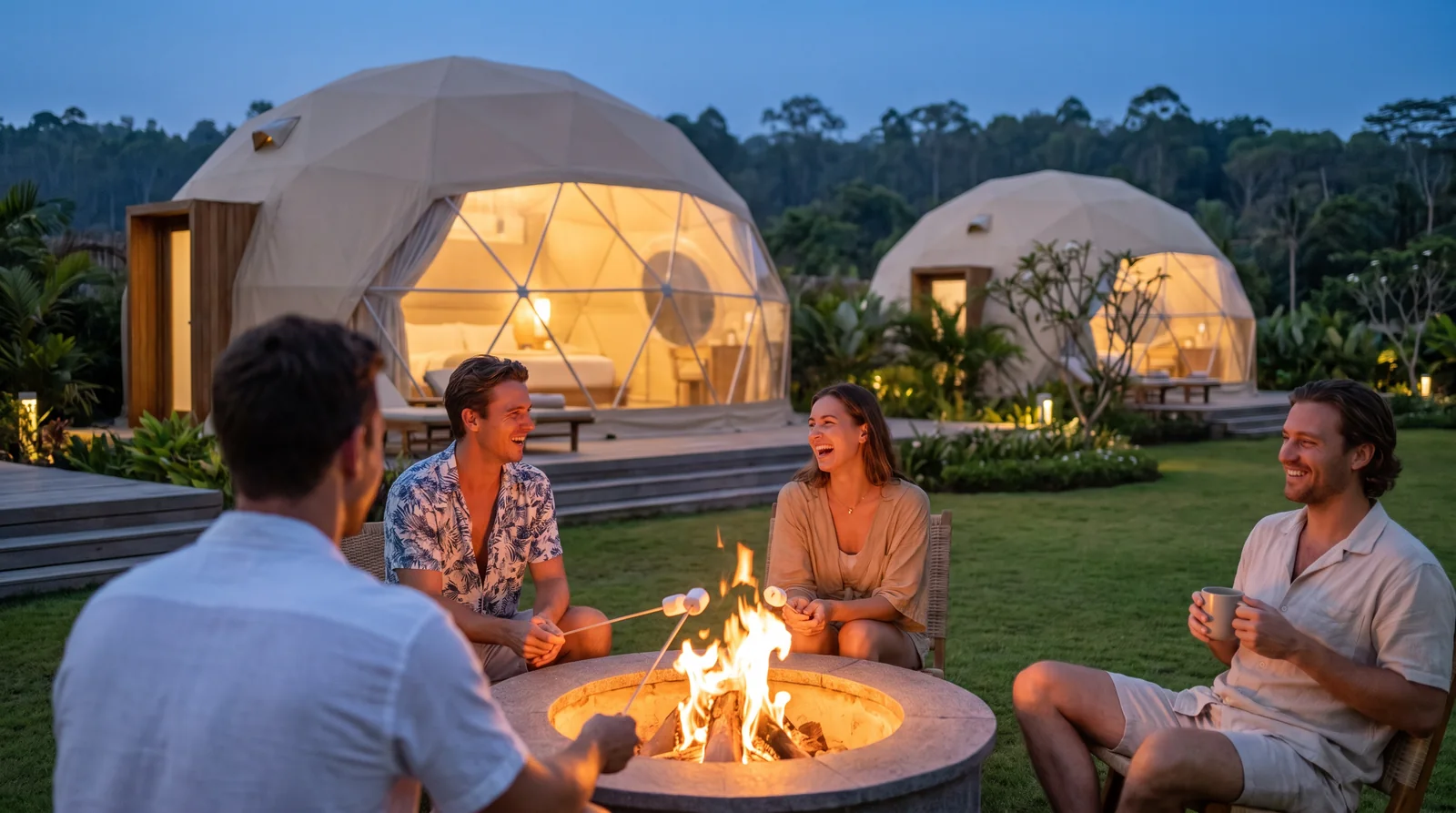
Geodesic dome tents
A dome tent has a striking round shape, often with a large clear window facing the view. Domes work well on hill tops and open land, and they photograph beautifully for social media.
Cocoon and pod style units
A cocoon tent or pod has a compact, rounded shell and suits couples and small sites. Pods can sit on slopes, decks or even in trees with the right structure.
Group and base camp tents
For school camps, adventure groups and corporate retreats, larger units such as a base camp tent or a Timba tent sleep more people at a lower rate per bed. Many sites mix a few premium units with a group area.
Planning your site
Start with a site study. Walk the land at different times of day and note views, sun, wind, slopes, drainage and noise. Then plan the layout around a few key ideas:
- Privacy: keep units at least 10 to 15 metres apart, or use trees and screens.
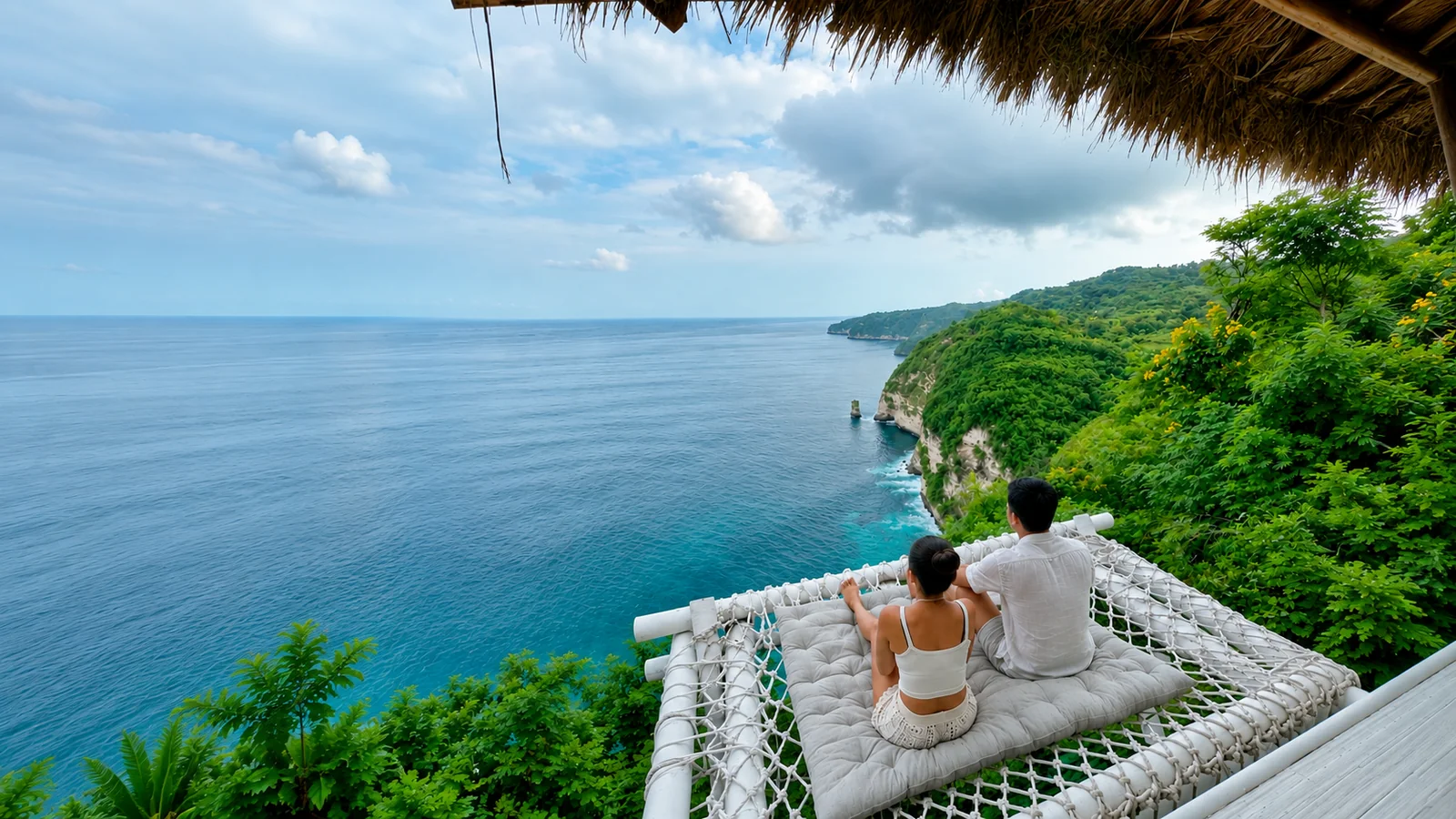
- Views: face each tent towards the best view, and away from paths and parking.
- Access: guests should walk a short, lit path from parking or reception. Keep service paths separate.
- Drainage: never place a tent in a low spot. Monsoon run off is the main cause of damage.
- Shared spaces: a dining tent, fire pit, deck or pool gives guests a place to gather.
Comparing glamping units
| Unit | Typical size | Guests | Indicative cost per unit (tent only) |
|---|---|---|---|
| Safari tent | 250 to 500 sq ft | 2 to 4 | Rs 3 lakh to Rs 12 lakh |
| Geodesic dome | 6 to 8 m diameter | 2 to 4 | Rs 4 lakh to Rs 15 lakh |
| Cocoon or pod | 150 to 300 sq ft | 2 | Rs 3 lakh to Rs 10 lakh |
| Base camp or group tent | 300 to 600 sq ft | 6 to 12 | Rs 1.5 lakh to Rs 6 lakh |
Budgeting a full site
For a serious site, think in terms of cost per unit including everything a guest will use: tent, deck, bathroom, furniture, lighting and a share of common areas. A premium site of 15 to 20 units with a dining area, pool and activities can easily reach Rs 2 crore or more. A smaller site of six to eight units can start well below that, and you can add units as demand grows.
Utilities and comfort
- Bathrooms: attached bathrooms are now expected. Plan water supply, hot water and a proper septic or treatment system.
- Power: solar with battery backup suits remote sites, with a generator as reserve.
- Cooling and heating: fans or air coolers in the plains, heaters and good insulation in the hills.
- Connectivity: many guests still want Wi-Fi, even on a digital detox.
Adding experiences
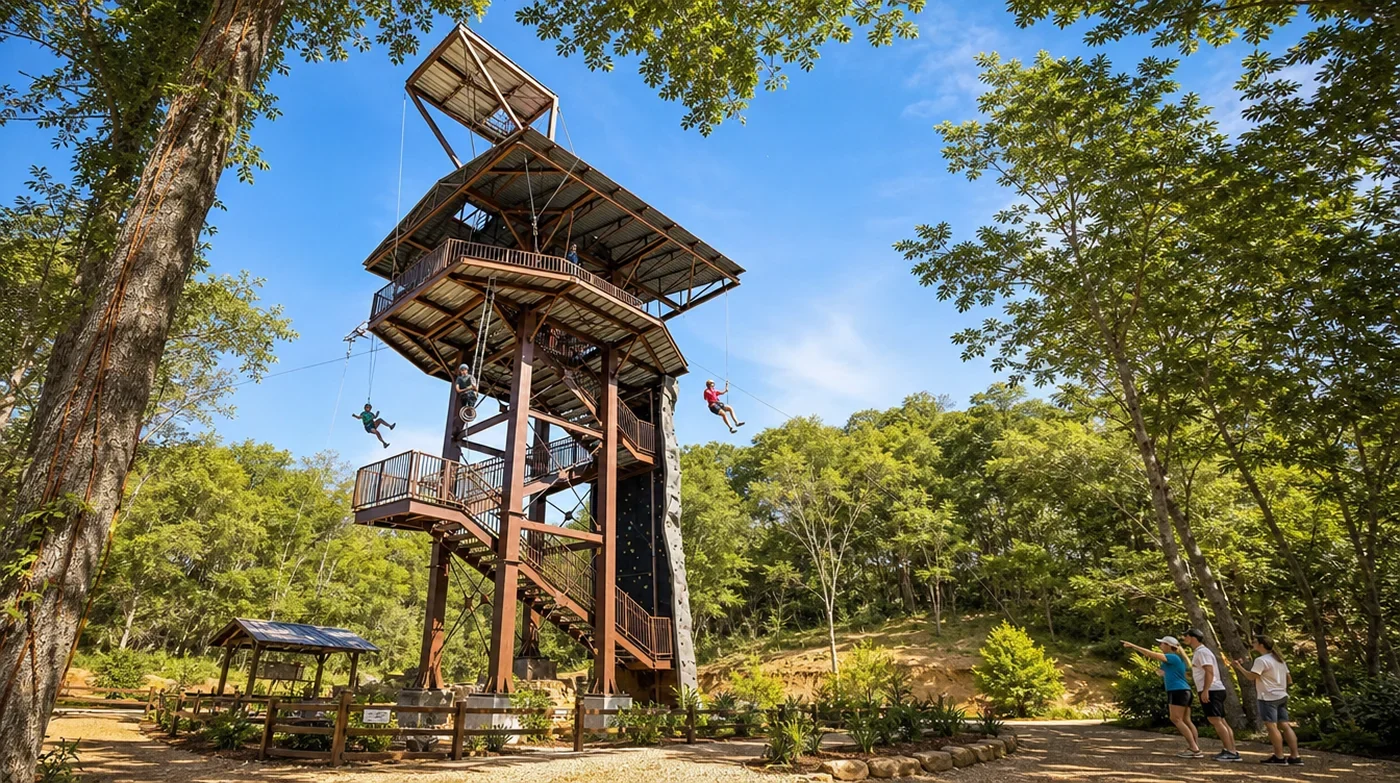
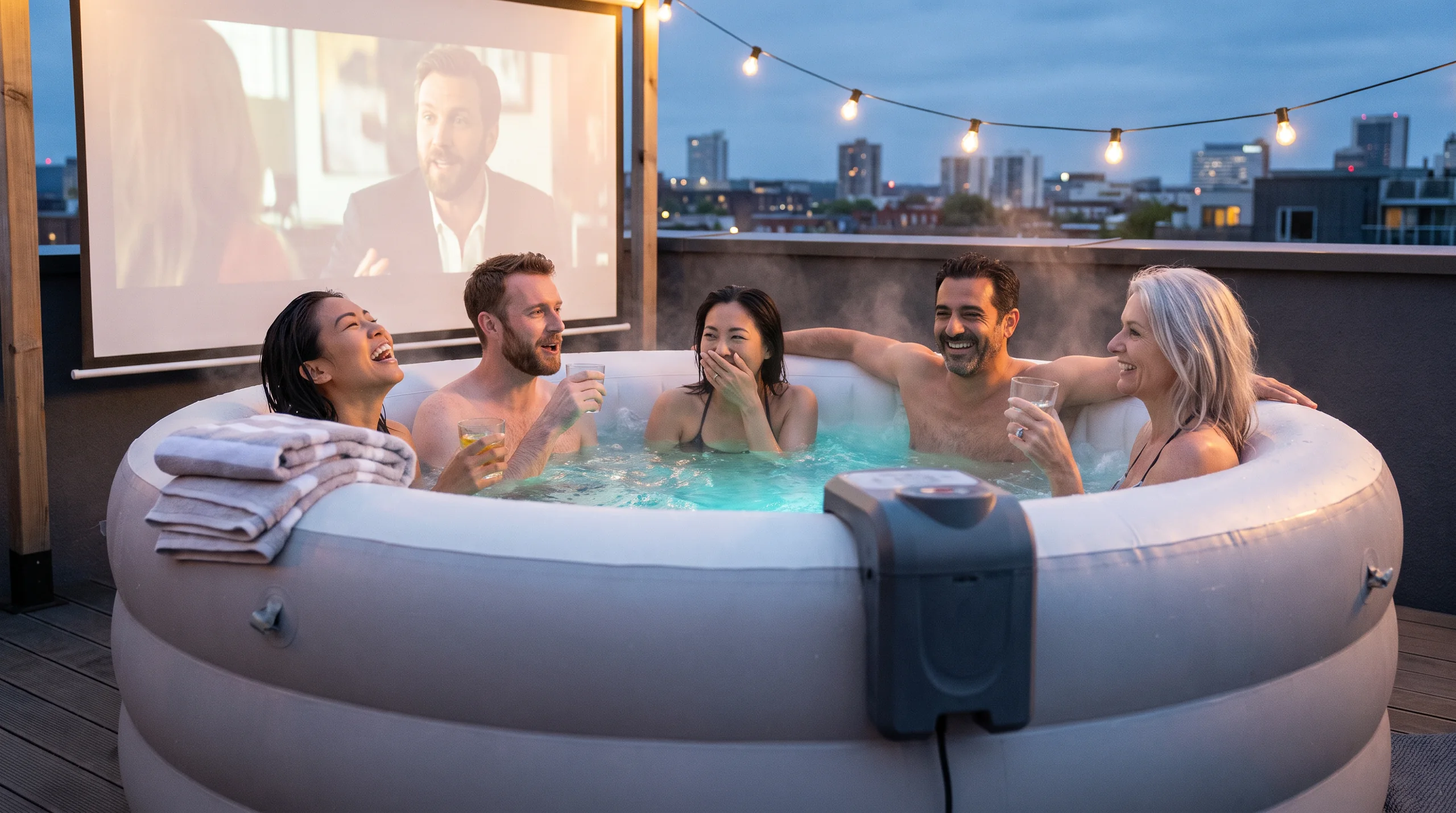
The tent brings guests in; experiences bring them back. Popular additions include bonfire evenings, nature walks, stargazing, a small rope course or zipline, kayaking on a nearby lake and a hot tub on a private deck. An inflatable hot tub outside a premium dome can justify a separate, higher rate.
Approvals and seasons
Rules for tented accommodation vary by state and by land type. Agricultural land, forest edges and coastal zones each have their own restrictions. Check land use, tourism registration, fire safety and local body approvals early. Plan for the monsoon too: some sites close or reduce operations, while hill and desert sites may peak at different times of year.
Running the site day to day
A glamping site lives or dies on service. Guests pay hotel level rates and expect clean linen, hot water, good food and quick help, even in a remote location. Plan your staff and routines as carefully as your tents.
- Housekeeping: canvas collects dust and insects. Clean and air each unit daily, and check zips, screens and seals.
- Pest control: regular treatment around decks and paths, plus mosquito nets or screens in every unit.
- Food: a small dining tent or open kitchen serving local food is often a highlight of the stay.
- Night lighting: soft, low path lights keep guests safe without spoiling the stars.
- Weather plans: a clear procedure for storms, strong wind and heavy rain, with a safe shelter area.
- Canvas care: wash and re-proof covers as the maker recommends, and repair small tears early.
Collect reviews and photos from every happy guest. Glamping is a visual product, and most bookings come from social media, travel platforms and word of mouth.
How JumpKing helps
JumpKing plans, designs and delivers glamping sites and their activities, with one point of contact from brief to opening. We help you choose units, plan the layout and add experiences that lift your rates. You handle land approvals, civil works such as decks and bathrooms, and insurance. Warranties are as per the manufacturer’s terms, confirmed in your quotation. Browse tents, pods and activities in our shop.
Questions buyers ask
How much land do I need for a glamping site?
A small site of six to eight tents can work on one to two acres. More land gives better privacy and room for shared spaces and activities.
How long do glamping tents last?
Good quality frames last many years. Canvas and covers typically need replacing every few years, depending on sun, rain and care.
Can glamping tents handle the Indian monsoon?
Yes, if they sit on raised decks, have proper drainage and are maintained. Some sites still close in peak monsoon for safety and upkeep.
Do I need permission to run a glamping site?
Usually yes. Requirements vary by state and land type, so speak to your local tourism department and a consultant early.
Planning a glamping site? Share your site and budget and we will suggest units, layout and a phased plan.