

How to size, place and plan revenue for a mall adventure zone, with a simple footfall and revenue model mall owners can use.
An adventure zone can turn a quiet upper floor of a mall into a reason to visit. Done well, it pulls families on weekends, fills the food court and lifts dwell time across the building. Done badly, it becomes an expensive empty box. This guide covers the three numbers that decide which way it goes: space, footfall and revenue.
Why malls are adding adventure zones
Shoppers can buy almost anything online, but they cannot climb a wall, bounce or race a drone on a phone. Experience zones give people a reason to come out, and they bring families who stay for hours rather than minutes. For mall owners, an adventure zone is also a way to lease large, hard to fill spaces such as top floors, atrium edges and old anchor stores.
Space: how much you need and where to put it
Most mall adventure zones in India fall into three sizes:
| Zone size | Carpet area | What fits | Indicative fit out budget |
|---|---|---|---|
| Compact | 3,000 to 6,000 sq ft | Soft play, ball pool, trampolines, one or two walk-through attractions | Rs 40 lakh to Rs 1.2 crore |
| Medium | 8,000 to 15,000 sq ft | Climbing wall, ropes over a play area, mirror maze, VR, arcade games | Rs 1.2 crore to Rs 3.5 crore |
| Large | 20,000 to 40,000 sq ft | Indoor rope course, drone arena, trampoline park, themed walk-throughs, party rooms, cafe | Rs 3.5 crore to Rs 10 crore |
Ceiling height matters as much as floor area. Below 4.5 metres you are limited to soft play, games and walk-through attractions. At 7 metres or more you can add a rope course, climbing and a bungee trampoline. Also check floor load, fire exits, sprinkler layout and service lift access early, because these decide what can physically go in.
Location inside the mall
Top floors next to the food court and cinema work best. Families pass the zone on the way to food and films, and parents can sit nearby while children play. Visibility from the escalator is worth a lot: a glass front or an open edge sells the zone better than any poster.
Footfall: turning mall visitors into players
Do not plan on the total footfall of the mall. Plan on the share that will actually pay to play. A practical way to estimate it:
- Start with the average daily footfall of the mall on weekdays and weekends separately.
- Take the share of visitors who come as families or groups of young people. In most malls this is 30 to 50 percent.
- Apply a conversion rate. Indicative conversion for a well placed zone is 2 to 5 percent of that group on weekends, lower on weekdays.
- Add school trips, birthday parties and corporate bookings, which do not depend on mall footfall at all.
Example: a mall with 25,000 weekend visitors a day, 40 percent families and 3 percent conversion gives around 300 paying players a day. That is the number your attraction capacity and staffing must handle.
Choosing attractions that earn their space
In a mall, every square foot has a rent attached. Pick attractions with high revenue per square foot and quick turnover:
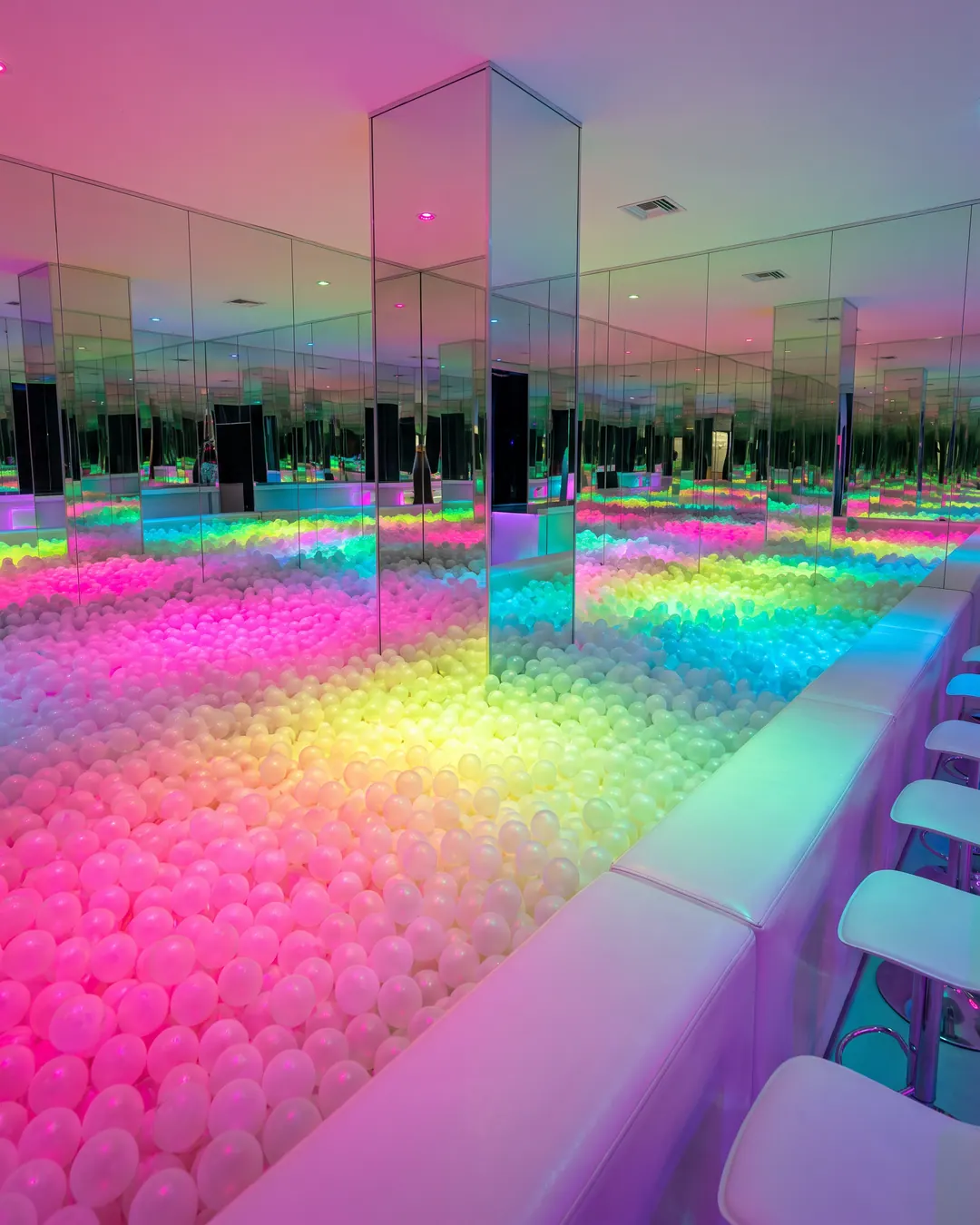
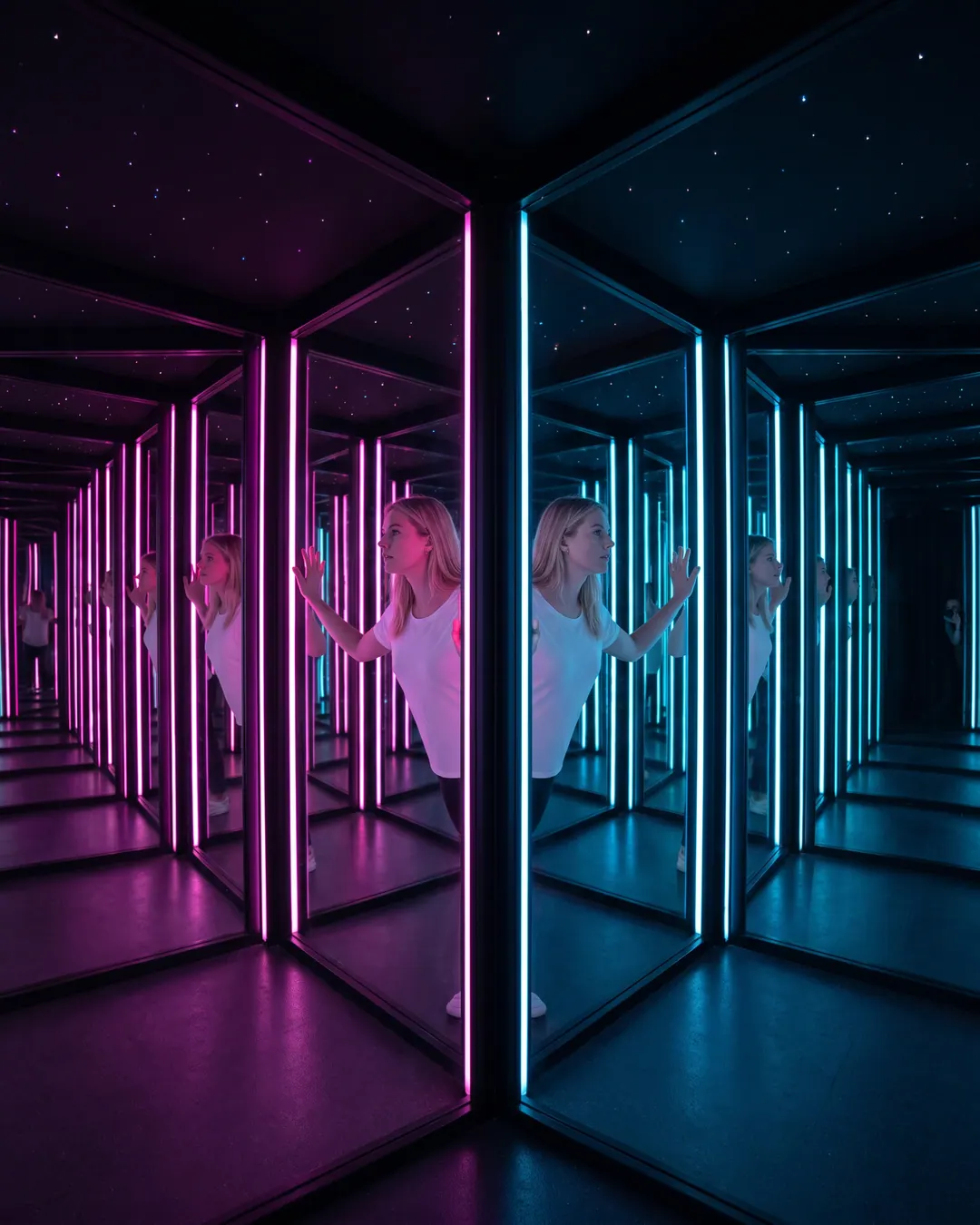
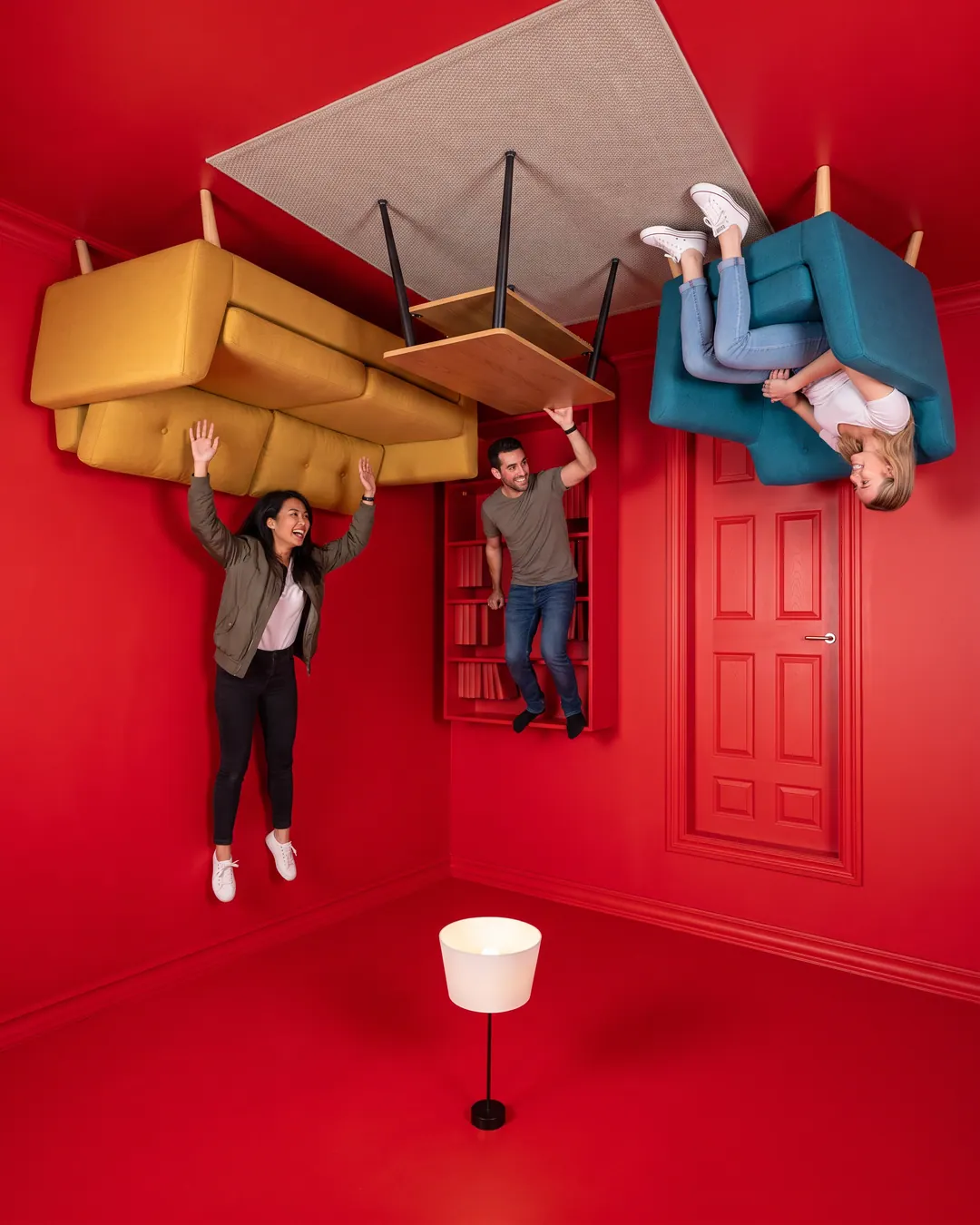
- Walk-through attractions like a mirror maze or an upside down house need little staff, handle steady flow and are very photogenic.
- Selfie and photo spaces such as a meme gallery attract teenagers and young adults who would not use a kids play zone.
- Skill and competition attractions like an indoor drone racing arena bring repeat visits and tournaments.
- Active play such as climbing, trampolines and a ball pool bar keep children busy for longer sessions.
Revenue planning: a simple model
Build your revenue plan on four streams:
- Walk-in tickets: single attraction tickets typically Rs 150 to Rs 500, combo passes Rs 600 to Rs 1,500.
- Birthday and group packages: often 20 to 35 percent of revenue in good zones.
- School and corporate bookings: fill weekday mornings that would otherwise be empty.
- Food, merchandise and photos: small per guest, but they add up.
Using the example above, 300 players a day at an average spend of Rs 700 gives about Rs 2.1 lakh on a weekend day. With weekdays at a third of that and party bookings added, a medium zone can reach Rs 25 lakh to Rs 40 lakh a month in revenue. Rent, staff, power and maintenance come out of that, so model rent carefully: revenue share deals with the mall often work better than fixed rent in the first year.
Operations that keep the zone busy
Clear queues, online booking, timed sessions and trained staff matter as much as the attractions. Refresh one attraction or theme every 12 to 18 months so regular visitors come back. Plan party rooms from day one; they are the most reliable income in most mall zones.
Technical checks with the mall team
Before you sign a lease or order a single attraction, walk the space with the mall engineering team and confirm these points in writing:
- Floor loading: climbing walls, rope structures and water features add point loads. Get the slab capacity from the structural drawings.
- Clear height: measure from finished floor to the lowest beam, duct or sprinkler, not to the slab.
- Fire and exits: check exit widths and travel distances for your expected crowd, and whether attractions block sprinkler coverage.
- Power: confirm the sanctioned load for the unit. Rides, arcades and air conditioning together can need far more than a retail shop.
- Access for delivery: service lift size and door widths decide how large components can arrive. Some attractions must come in parts and be assembled inside.
- Working hours for installation: many malls only allow noisy work at night, which affects installation time and cost.
Lease terms to discuss
Ask for a rent free fit out period, signage rights on the facade or atrium, and a clause that lets you refresh attractions without fresh approvals each time. Revenue share with a minimum guarantee is a common middle path between fixed rent and pure revenue share.
How JumpKing helps
JumpKing plans, designs and delivers mall adventure zones with one point of contact from brief to opening: space study, attraction mix, layout, quotes and delivery. Warranties on equipment are as per the manufacturer’s terms, confirmed in your quotation.
You can browse individual attractions, rides and games with indicative prices in the JumpKing shop.
Questions buyers ask
What is the minimum space for a mall adventure zone?
About 3,000 sq ft can work for a compact zone with soft play and walk-through attractions. For a zone that attracts teenagers and adults too, aim for 8,000 sq ft or more.
What ceiling height do I need for a rope course?
An indoor rope course usually needs at least 7 metres of clear height. Lower ceilings suit play frames, games and walk-through attractions.
Should the mall run the zone or lease it?
Both models work. Owners with retail operations teams often run it themselves. Others lease to an operator on revenue share. Plan the layout and power the same way either way.
Which safety standards apply?
Indoor play equipment typically follows EN 1176 and trampoline parks ASTM F2970. Ask for the standard of each item in your quotation.
Have a mall floor to fill? Share your site and budget with floor plans and ceiling heights, and get a zone layout with indicative costs.